Inlays and onlays in Rotherham, the option in between
- Look at how much of the tooth is left to work with
- Set an inlay or onlay against a filling and against a crown
- Price each option in writing
- Choose the one that keeps the most natural tooth
Which one a tooth needs is a decision for an examination rather than a website.
Not sure which appointment you need?
This is a guide to the right first appointment, not a diagnosis. Your dentist will talk through what is right for you once they have had a look.
Would rather just talk to someone? Call 01709 872292.
Told the tooth is too far gone for a filling?
Which one a tooth needs is a decision for an examination: how much sound tooth is left is what decides it.
Where it fits
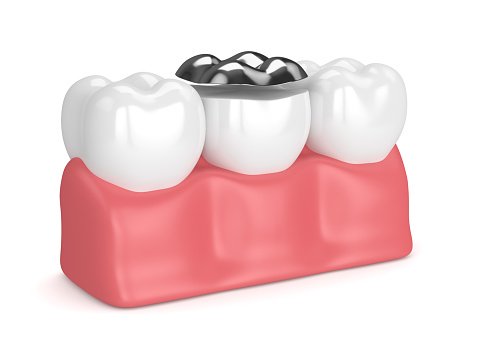
A filling is built up inside the tooth by hand on the day. A crown covers the tooth completely, which means shaping the whole thing down first. An inlay or onlay is made to fit precisely into or over the damaged part, and cemented in.
The point of it is preservation. It replaces the part of the tooth that is missing and leaves the sound parts alone, where a crown would take them down too.
An inlay sits within the biting surface. An onlay extends over one or more of the cusps, the raised points of a back tooth, which is what makes it useful for a tooth that has cracked or lost a wall.
What to expect
Usually two appointments
The tooth is prepared and scanned or impressed, and a temporary put in place. The laboratory makes the restoration, and it is fitted and checked at a second visit.
Stronger than a large filling
Because it is made outside the mouth and cemented in, it can be shaped and finished more precisely than a large filling built up by hand, particularly at the contact points with neighbouring teeth.
A filling, an inlay or a crown
Which one a tooth needs is a decision for an examination rather than a website. Send an enquiry and reception will arrange one.
Questions people ask
What they are made of, and what the two appointments involve.
What are they made of?
Porcelain, metal or a hard resin. Porcelain is the usual answer where the tooth is visible, because it can be matched to the shade around it; metal is the most durable and is chosen for a back tooth taking heavy load.
Which is right depends on which tooth it is, how much of it is left and how hard you bite, and it is decided with you rather than for you.
What does the appointment involve?
Local anaesthetic first, then the old filling or the decay is cleared out and the tooth is shaped to take the restoration. An impression or a scan goes to the laboratory, and a temporary keeps the tooth comfortable until the second visit.
You should feel pressure rather than pain, and if you feel anything sharp you say so and it gets topped up. The tooth can be sensitive for a few days between the appointments, which settles once the final restoration is bonded in.
Find out which one the tooth actually needs
Come in, find out how much sound tooth is left, and leave with each option written down and priced.

Book an appointment Call 01709 872292
Payment plans are available for larger treatment plans, subject to status and to the lender's terms. See how they work.